
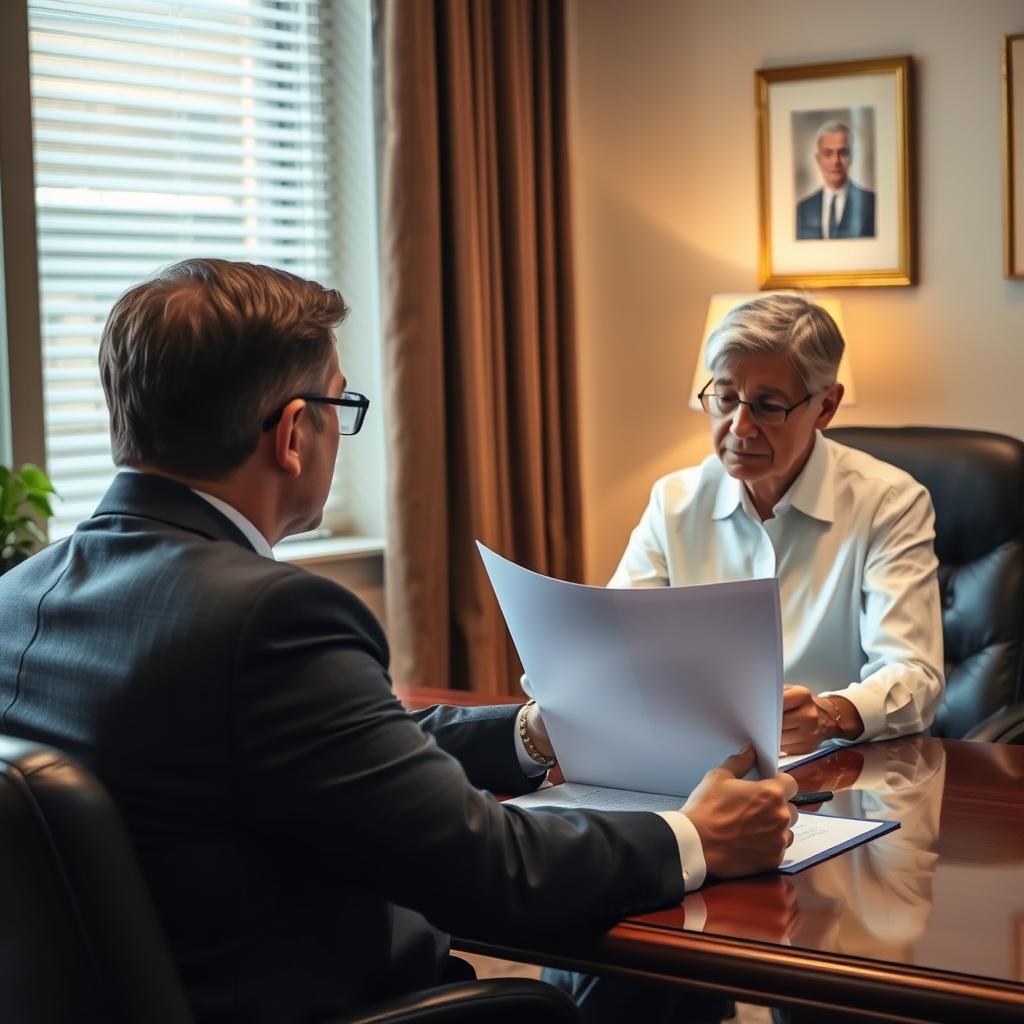
Implied Consent Lawyer Capitol Hill
An Implied Consent Lawyer Capitol Hill defends drivers facing license suspension for refusing a chemical test. The District of Columbia enforces strict implied consent laws. You need a lawyer who knows the D.C. Superior Court. Law Offices Of SRIS, P.C. —Advocacy Without Borders. provides this defense. We challenge the legality of the stop and the refusal allegation. Protect your driving privileges immediately. (Confirmed by SRIS, P.C.)
Statutory Definition of Implied Consent in D.C.
D.C. Code § 50–1902(b) defines implied consent as a Class 2 traffic infraction with a mandatory 12-month license revocation. This law applies to any person driving in the District. Operating a vehicle constitutes consent to chemical testing. A police officer must have reasonable grounds to believe you were driving under the influence. The officer must also inform you of the consequences of refusal. Refusal triggers an automatic administrative penalty from the D.C. Department of Motor Vehicles (DMV). This is separate from any criminal DUI case. The implied consent lawyer Capitol Hill handles both fronts.
D.C. Code § 50–1902(b) — Refusal is a Class 2 traffic infraction. The mandatory penalty is a 12-month driver’s license revocation. There is no option for a restricted license during this period. You have the right to request an administrative hearing. This hearing must be requested within ten days of the notice of revocation. An Implied Consent Lawyer Capitol Hill files this request. The hearing challenges the officer’s reasonable grounds and the propriety of the refusal warning.
What is the legal basis for implied consent in D.C.?
The legal basis is your privilege to drive on D.C. roads. By obtaining a license, you agree to chemical tests if arrested for DUI. This is the “implied consent” agreement. The statute is D.C. Code § 50–1902. It is an administrative law, not criminal. The burden at the DMV hearing is on the government. They must prove the arrest was lawful. They must also prove you refused after a proper warning.
How does D.C. law define a lawful refusal warning?
The officer must inform you of the 12-month revocation penalty. The warning must be clear and unequivocal. Failure to provide this warning can be a defense. The officer’s report will document the warning given. Your Implied Consent Lawyer Capitol Hill scrutinizes this report. Inconsistencies or omissions can lead to a favorable outcome.
What is the difference between a criminal DUI and an implied consent case?
A criminal DUI case seeks fines and jail time. The implied consent case only deals with your license. They are two separate proceedings. You can win the implied consent hearing and still face criminal charges. You need a lawyer who handles both. SRIS, P.C. coordinates defense across both matters.
The Insider Procedural Edge in Capitol Hill
Implied consent cases are heard at the D.C. Department of Motor Vehicles Adjudication Services at 95 M Street SE, Washington, DC 20003. This is the administrative court for license matters. The timeline is critical. You have only ten calendar days to request a hearing after receiving your notice of revocation. Missing this deadline forfeits your right to challenge the suspension. The filing fee for the hearing request is typically $35. The hearing is conducted before a DMV hearing examiner. It is less formal than a criminal trial but just as important. Procedural specifics for Capitol Hill are reviewed during a Consultation by appointment at our Capitol Hill Location.
What is the exact address for the implied consent hearing?
The address is 95 M Street SE, Washington, DC 20003. This is the DMV Adjudication Services Location. All administrative license hearings are held here. Your lawyer will meet you at this location. It is separate from the D.C. Superior Court for criminal matters.
The legal process in Capitol Hill follows specific procedural requirements that affect case timelines and outcomes. Courts in this jurisdiction apply local rules that may differ from neighboring areas. An attorney familiar with Capitol Hill court procedures can identify procedural advantages relevant to your situation.
What is the step-by-step process after a refusal?
The officer confiscates your license and issues a temporary permit. You receive a Notice of Proposed Revocation in the mail. You have ten days to request a hearing in writing. Your lawyer files the request and gathers evidence. The hearing is scheduled within a few weeks. A decision is usually mailed within 30 days after the hearing.
How long does the entire administrative process take?
From the date of refusal to a final DMV order takes about 60 to 90 days. The hearing itself lasts about one hour. The examiner reviews the police report and officer testimony. Your lawyer presents arguments against the revocation. The examiner’s written decision follows weeks later.
Penalties & Defense Strategies
The most common penalty is the mandatory 12-month driver’s license revocation. There are no fines or jail time for the refusal itself. However, a refusal can be used as evidence in your criminal DUI case. This can lead to harsher penalties if you are convicted. The table below outlines the direct penalties.
Virginia law establishes specific statutory frameworks that govern these matters. Each case involves unique factual circumstances that require careful legal analysis. SRIS, P.C. attorneys evaluate every relevant factor when developing case strategy for clients in Capitol Hill.
| Offense | Penalty | Notes |
|---|---|---|
| First Refusal | 12-month license revocation | No restricted license permitted. |
| Subsequent Refusal | 12-month license revocation | Penalty remains the same per statute. |
| Refusal with Prior DUI | 12-month revocation + enhanced criminal DUI penalties | Criminal court may impose longer jail terms. |
[Insider Insight] D.C. hearing examiners and prosecutors view test refusal as consciousness of guilt. They are often aggressive in upholding revocations. A successful defense requires attacking the officer’s initial reasonable grounds for the stop. It also requires challenging the adequacy of the refusal warning. An Implied Consent Lawyer Capitol Hill from SRIS, P.C. knows these tactics.
What are the best defenses to an implied consent violation?
The best defense is challenging the legality of the traffic stop. If the officer lacked reasonable suspicion, all evidence is suppressed. Another defense is proving you did not actually refuse. You may have been incapable of consent due to a medical condition. The officer may have failed to give the proper warning. Your lawyer subpoenas the officer’s training records and arrest history.
Can I get a restricted license for work in D.C.?
No. D.C. law does not allow for a restricted or hardship license for a refusal revocation. The 12-month revocation is absolute. This makes winning the administrative hearing even more critical. Losing your license for a year in a city like Washington, D.C. is severe.
How does a refusal impact a criminal DUI case?
The prosecution will tell the jury you refused the test. They argue you were hiding your intoxication level. This can prejudice the jury against you. Your lawyer must file motions to limit this evidence. We argue its prejudicial effect outweighs any probative value. This is a key strategic battle.
Court procedures in Capitol Hill require proper documentation and adherence to filing deadlines. Missing a deadline or submitting incomplete filings can negatively impact case outcomes. Working with an attorney who handles cases in Capitol Hill courts regularly ensures that procedural requirements are met correctly and on time.
Why Hire SRIS, P.C. for Your Implied Consent Case
Our lead attorney for D.C. implied consent cases is a former prosecutor with over 15 years in D.C. Superior Court. This experience provides insight into how the government builds these cases. We know the hearing examiners and their tendencies. We know the police procedures inside and out. SRIS, P.C. has a Location in Capitol Hill to serve you directly. We provide criminal defense representation that covers both the administrative and criminal sides. Our team approach ensures no detail is missed.
Lead Attorney: The attorney handling your case has extensive D.C. court experience. This attorney has argued before DMV hearing examiners countless times. They understand the precise legal arguments that succeed. They have a history of securing favorable outcomes for clients facing revocation.
The timeline for resolving legal matters in Capitol Hill depends on multiple factors including case type, court scheduling, and the positions of all parties involved. SRIS, P.C. keeps clients informed throughout the process and works to move cases forward as efficiently as possible.
We assign a dedicated case manager to every client. You will always know the status of your case. We prepare you thoroughly for the DMV hearing. We also coordinate with your DUI defense in Virginia attorney if your case crosses jurisdictions. Our our experienced legal team works without borders to protect you.
Localized FAQs for Capitol Hill
How quickly do I need to act after a refusal in D.C.?
You have ten calendar days from receiving the notice to request a DMV hearing. Act immediately. Contact a lawyer the same day as your arrest to preserve rights.
Where is the DMV hearing Location for Capitol Hill residents?
The DMV Adjudication Services is at 95 M Street SE, Washington, DC. This is south of the Capitol Building. It handles all license refusal hearings for the District.
Financial implications are often a significant concern in legal proceedings. Virginia courts consider relevant financial factors when making determinations. Proper preparation of financial documentation strengthens your position and supports favorable outcomes in Capitol Hill courts.
Can I represent myself at the implied consent hearing?
Yes, but it is not advised. The hearing involves complex rules of evidence and procedure. The government is represented by a trained attorney or examiner. You need equivalent skill.
What happens if I win the DMV hearing?
If you win, the proposed revocation is canceled. Your driving privilege is fully restored. The DMV returns your license. The refusal cannot be used against you in a later proceeding.
Does a refusal always lead to a DUI conviction?
No. A refusal is separate from a DUI conviction. The government must still prove you were impaired beyond a reasonable doubt. A good lawyer can defeat the criminal case despite the refusal.
Proximity, CTA & Disclaimer
Our Capitol Hill Location is strategically positioned to serve clients in Southeast Washington, D.C. We are minutes from the D.C. Department of Motor Vehicles Adjudication Services. This allows for efficient case management and last-minute filings. Consultation by appointment. Call 703-273-4100. 24/7. Our legal team is ready to defend your license. For broader legal support, consider our Virginia family law attorneys for related matters.
Law Offices Of SRIS, P.C.
Advocacy Without Borders.
Phone: 703-273-4100
Past results do not predict future outcomes.